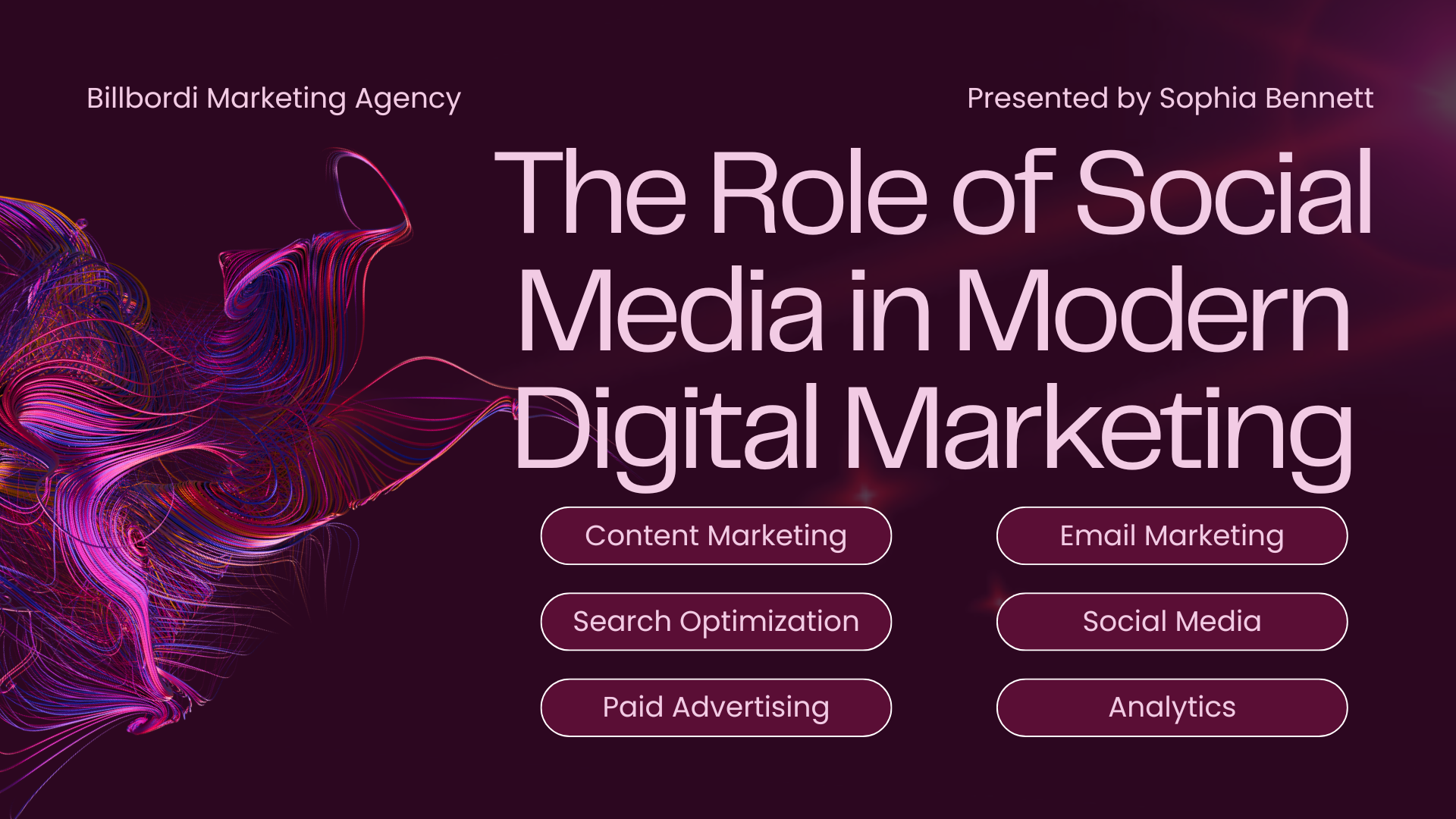
Social media has become an important part of how businesses communicate with customers. Platforms that were originally designed mainly for personal communication are now used for brand awareness, customer service, product discovery, and community building.
However, social media marketing is not simply a matter of posting advertisements. Businesses need to understand what people actually want to see and how each platform works.
Social Media Is About Communication
People generally do not open social media because they want to see advertisements. They use these platforms to discover interesting content, communicate with others, follow topics they enjoy, and learn something new.
Businesses that understand this behavior can create content that feels more natural.
Educational posts, behind-the-scenes content, short explanations, customer experiences, and industry updates can often generate more meaningful engagement than repeated promotional messages.
Choosing the Right Platform
Every social network has a different audience and style. A business does not necessarily need to maintain an active account everywhere.
For example, a company selling professional services may benefit from a platform focused on professional networking, while a visually oriented business may receive more attention through image and video-based platforms.
The right choice depends on the target audience rather than the popularity of a particular platform.
Short-Form Video Continues to Attract Attention
Short videos have become one of the most noticeable formats in online marketing. They can communicate an idea quickly and are particularly useful for demonstrations, tutorials, product introductions, and behind-the-scenes material.
However, businesses should not create videos simply because the format is popular. The content still needs a clear purpose.
A short video that answers a common customer question can be more valuable than a video created only to follow a trend.
Social Media Can Support Website Traffic
Social media and websites can work together. A social post can introduce an idea, while the company website can provide the complete guide or additional information.
This approach gives users a reason to move from a social platform to a website.
For publishers and online media organizations, this relationship can be particularly important. Social platforms can introduce articles to new audiences while the website remains the main destination for the complete story.
Engagement Is More Than Likes
Likes are easy to measure, but they do not tell the entire story.
Comments, shares, saves, direct messages, website visits, and returning visitors can provide additional information about how people interact with content.
A post with fewer likes but several meaningful website visits may be more valuable to a business than a highly visible post that produces no further action.
Authenticity Matters
Audiences are increasingly exposed to professionally produced advertising. Authentic communication can therefore help a business stand out.
This does not mean that every post has to be informal. It means that companies should communicate honestly and avoid making unrealistic promises.
Clear information and genuine interaction can help create long-term relationships with customers.
Final Thoughts
Social media is most effective when it is treated as part of a broader digital strategy rather than as a replacement for a website.
Businesses can benefit from choosing the right platforms, publishing useful content, responding to their audience, and measuring meaningful results.
The strongest social media strategies are usually those that focus on building relationships rather than simply collecting likes.
Be First to Comment